Scandinavian National Parks: Structure, Status, and Field Realities
National parks represent the strictest public landscape protection category in northern Europe. Understanding what separates a national park from ordinary open land determines how you pack, camp, and move.
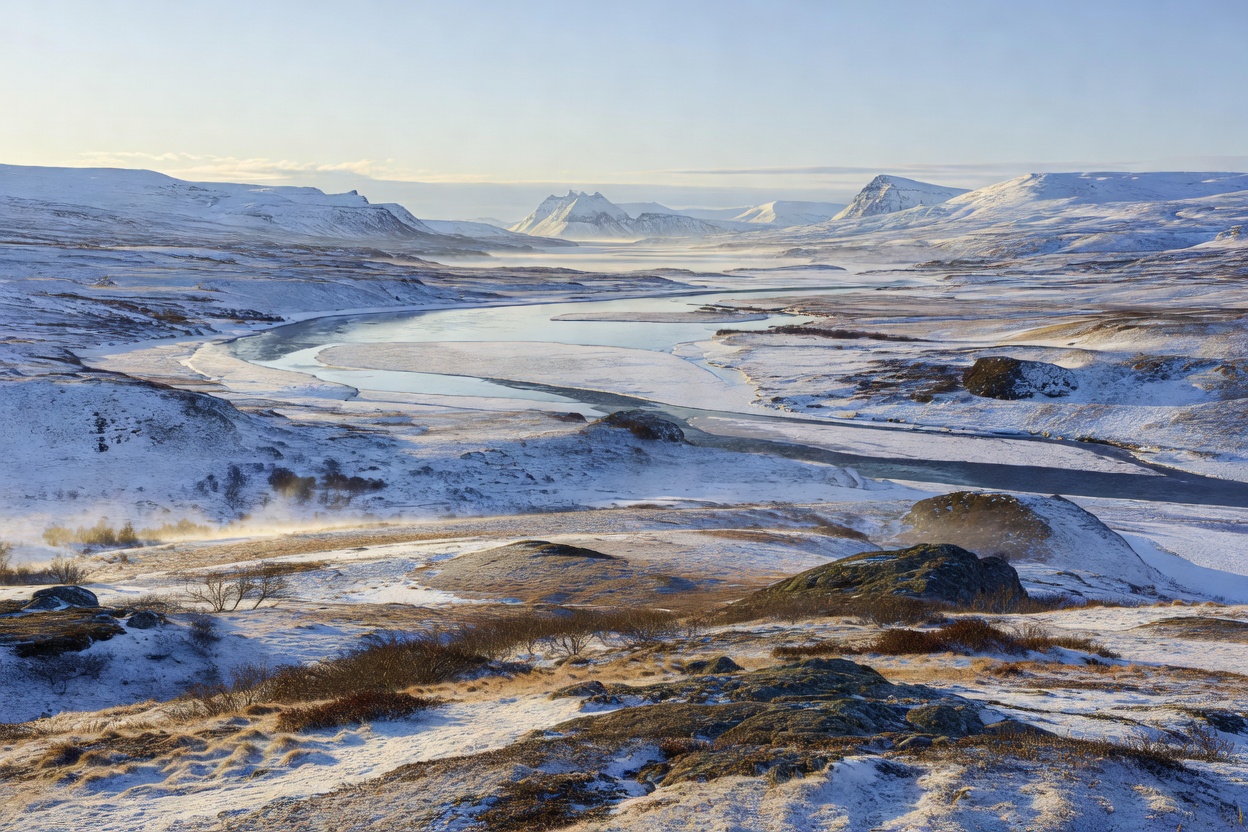
What Defines a Nordic National Park
A Scandinavian national park is state-owned land preserved permanently against commercial exploitation, resource extraction, road engineering, and mechanized recreational traffic. The primary goal is biological and geological preservation. Human recreation is permitted only where it does not degrade soil, wildlife corridors, or pristine waterways.
Unlike amusement-style reserves found in other continents, Nordic national parks maintain minimal commercial infrastructure. You will not find hotels, fuel stations, or paved drives inside park boundaries. Access is almost exclusively pedestrian or ski-based.
Categorical Differences: Parks vs. Reserves vs. Free Open Land
Outdoor visitors frequently confuse public access categories. In Scandinavia, three legal classifications govern wilderness landscapes:
National Parks (Nasjonalpark / Nationalpark)
Large contiguous tracts of unfragmented habitat. Managed by national environmental agencies. Hunting and fishing face heavy restriction. Motor vehicles, drones, and tree-felling are strictly prohibited. Camping is permitted under strict Leave No Trace rules, though specific zones may ban tents to protect bird nesting areas.
Nature Reserves (Naturreservat)
The highest level of scientific protection. Usually smaller than national parks. Often established to protect a single fragile biotope, such as ancient moss beds, rare orchid bogs, or seabird colonies. Public entry can be seasonally banned during breeding cycles.
Public Land & Recreation Areas
Governed by general customary access rights (such as Allemannsretten in Norway or Allemansrätten in Sweden). Allows responsible walking, forage of wild berries, and single-night pitch pitching outside fenced farmland. Does not hold strict biodiversity statutory mandates.
Core Landscape Archetypes
Nordic national parks span four dominant morphological classes, each posing unique navigational and physical demands:
- High Alpine & Glacier Massifs: Found throughout western and northern Norway and northern Sweden. Marked by bare granite ridges, hanging glaciers, permafrost boulders, and swift meltwater torrents. Trail navigation demands route-finding across unmarked boulder fields (scree).
- Boreal Taiga & Primeval Pine Forests: Extensive in central and northern Sweden and eastern Norway. Dense stands of Scots pine and Norway spruce interspersed with peat bogs. Movement requires tracking marsh crossings over submerged wooden planks.
- Coastal Fjords & Archipelagos: Steep maritime relief dropping into saltwater straits. Marine weather dominates. High humidity, high winds, and rapid temperature fluctuations require technical marine outer layers.
- Lowland Dune Heaths & Shallow Lagoons: Typical of Danish national parks. Gentle vertical relief, but heavy exposure to sand shifts and North Sea gales. Walking is physically taxing due to loose substrate.
The Right to Roam in Protected Areas
Customary public access grants wide freedom to move across uncultivated land. However, inside national park boundaries, special decrees supersede standard access rights. Common localized restrictions include:
- Complete prohibition of open fires during summer dry spells or permanent fire bans outside designated stone hearth rings.
- Strict prohibitions against motorized vessels, quad bikes, snowmobiles, and unmanned aerial drones.
- Mandatory dog leash laws year-round to prevent harassment of reindeer herds, ground-nesting ptarmigan, and predators.
- Designated campsite zones in heavily visited trail valleys to prevent soil compaction and vegetation eradication.
Good For
- Self-contained wilderness backpackers equipped for complete autonomy.
- Experienced navigators capable of reading paper maps and compass bearings in fog.
- Hikers seeking zero commercial development and authentic arctic landscapes.
- Disciplined campers who understand strict waste-packout protocols.
What to Know
- No mobile phone reception across deep glacial troughs and remote plateaus.
- Emergency evacuation response times can exceed 12 hours during bad weather.
- No municipal trash receptacles; everything packed in must be carried out.
- Water in wild mountain zones is generally untreated; evaluate drainage areas above your intake.
Preparation Standards for Remote Parks
Entering an alpine or boreal national park without preparation creates dangerous situations for mountain rescue volunteers. Before heading beyond the access road, complete these steps:
- Verify that your tent can withstand sustained gale-force winds of 20 m/s without pole collapse.
- Pack a minimum of 48 hours of emergency surplus rations per team member.
- Carry a dedicated two-way satellite messenger. Cell phones cannot be relied upon in mountain valleys.
- Check seasonal bridge status. Nordic park authorities remove temporary footbridges before winter freeze to avoid flood destruction.
Need Practical Clarification?
Contact our editorial desk for technical questions regarding national park zoning models or transit preparation.