Nordic Park Regions: Norway, Sweden, and Denmark
Do not treat Scandinavian national parks as a uniform environment. Norway features vertical granite massifs and maritime weather. Sweden offers vast subarctic plateaus and uninterrupted boreal forests. Denmark safeguards lowland dune coasts and agrarian-integrated woodlands.
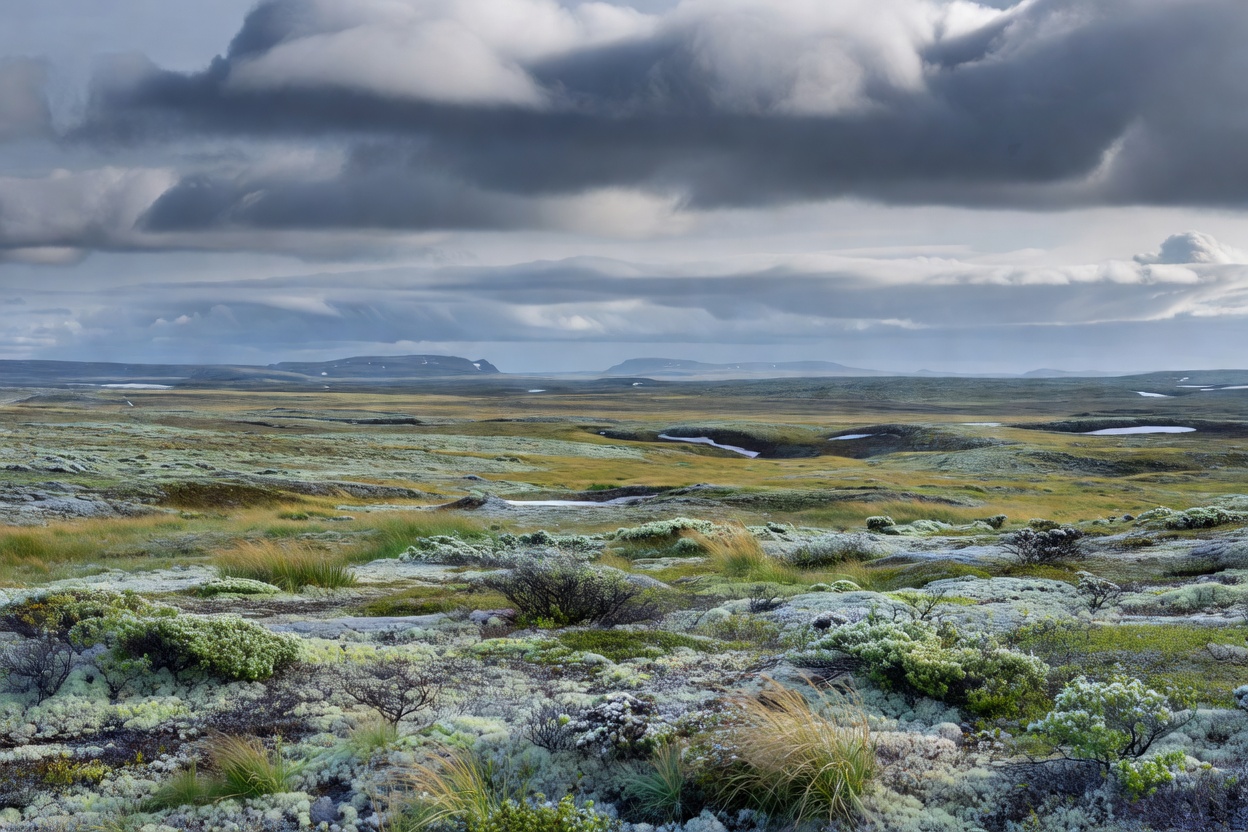
Divergent Topography and Jurisdictions
Scandinavian geography is shaped by the Scandes mountain spine running down the Norwegian-Swedish frontier, transitioning eastward into the Baltic basin, and southward into the European plain. National park governance, hut availability, and transit infrastructure vary directly by territorial geography.
Selecting the right park demands matching your navigational autonomy with the distinct physical reality of each nation's park framework.
Norway: High Alpine Massifs, Glaciers, and Fjord Walls
Norway's national park system protects dramatic, steep vertical topography. Most Norwegian parks lie along the central mountain backbone and western fjord coastlines. Elevation gains are severe, frequently demanding 800 to 1,400 meters of vertical ascent over single trail stages.
- Highland Plateaus (Hardangervidda): The largest alpine plateau in northern Europe. Flat, treeless, and wind-scoured. Arctic weather conditions can emerge within one hour during July. Navigational challenges revolve around lake crossings and river fords.
- Glacial Massifs (Jotunheimen): Contains Northern Europe's highest summits. Characterized by steep knife-edge ridges, active glacial tongues, and cold moraines. Crampons, ice axe, and glacier rope skills are required for routes beyond established trail passes.
- Coastal & Fjord Reserves: Vertical cliffs plummeting directly into deep marine waters. Trails are exceptionally slick when wet, with significant fall hazard on exposed granite ledges.
Sweden: Vast Northern Wilderness and Primeval Taiga
Sweden's national parks range from southern deciduous woodlands to the vast roadless arctic expanses of Laponia in the northwest. Sweden holds some of the largest contiguous wilderness areas remaining in western Europe.
- Northern Wilderness (Sarek & Padjelanta): Sarek contains practically no marked trails, no serviced huts, and few bridges. Hikers must ford glacial rivers, carry heavy 10-day packs, and navigate completely self-reliantly. Padjelanta, in contrast, offers open rolling alpine tundra and staffed summer huts along a marked trail.
- Boreal Taiga & Ancient Old-Growth (Fulufjället & Hamra): Expansive stands of virgin pine and spruce. Rolling plateau formations without extreme alpine exposure. Well-maintained board-walks protect delicate peat mosses.
- Baltic Sea Archipelagos: Low granite islands accessible primarily by sea kayak or chartered water taxis. Fresh water is scarce; visitors must pack all drinking supplies.
Denmark: Lowland Dunes, Coastal Heaths, and Cultural Landscapes
Denmark's national park model differs fundamentally from the wilderness models of Norway and Sweden. Danish parks are settled, cultural landscapes integrating active farmland, historic villages, coastal pine plantations, and critical shorebird habitats.
- North Sea Coastlines (Thy National Park): Expansive sand dunes, wave-sculpted pine woods, and shallow nutrient-poor coastal lakes. The terrain is flat or gently rolling, but loose sand makes foot travel strenuous.
- Wadden Sea (Vadehavet): A massive tidal mudflat ecosystem. Strict walking windows apply based on tide tables. Getting caught in tidal surges poses severe risk. Guided crossing is strongly advised for mudflat routes.
- Lowland Glacial Ridges (Mols Bjerge): Rolling terminal moraines and kettle holes created by the last ice retreat. Excellent day-hiking on marked footways through heathland and beech woodlands.
Good For
- Norway: Mountain climbers, fell trekkers, and lovers of steep fjord panoramas.
- Sweden: Multi-day expedition trekkers, long-distance thru-hikers, and wilderness campers.
- Denmark: Day walkers, bikepackers, birdwatchers, and families seeking low elevation risk.
What to Know
- Transit to northern Swedish trailheads can require 18+ hours by sleeper train from Stockholm.
- Norwegian alpine passes often hold impassable deep snow well into late June.
- Danish parks generally do not permit free wild camping outside designated shelter sites.
Regional Infrastructure and Hut Systems
The standard of shelter varies by jurisdiction. Norway's park network is supported by the Norwegian Trekking Association (DNT), featuring staffed lodges, self-service cabins with food pantries, and basic unstaffed cabins unlocked via standard physical keys.
In Sweden, the Swedish Tourist Association (STF) manages mountain stations and cabins along marked trunk routes like Kungsleden. However, deep wilderness zones (such as Sarek) contain zero shelter infrastructure outside emergency rescue huts with emergency radio transceivers.
In Denmark, parks rely on open wooden lean-to shelters (shelters) bookable through municipal nature portals. Pitching wild tents in Danish state forests is restricted to designated "Fri teltning" forest parcels.
Clarify Your Regional Route
Have specific questions on crossing between national systems or accessing northern gateways? Send an inquiry to our editorial desk.