Nordic Park Index

SCANDINAVIAN NATIONAL PARKS. PLAN THE OUTDOORS.

A practical guide to Nordic parks, landscapes, trails, seasons and outdoor planning.

Coverage Norway, Sweden & Denmark
Focus Terrain, Access & Logistics
Data Mode Verified Practical Standards
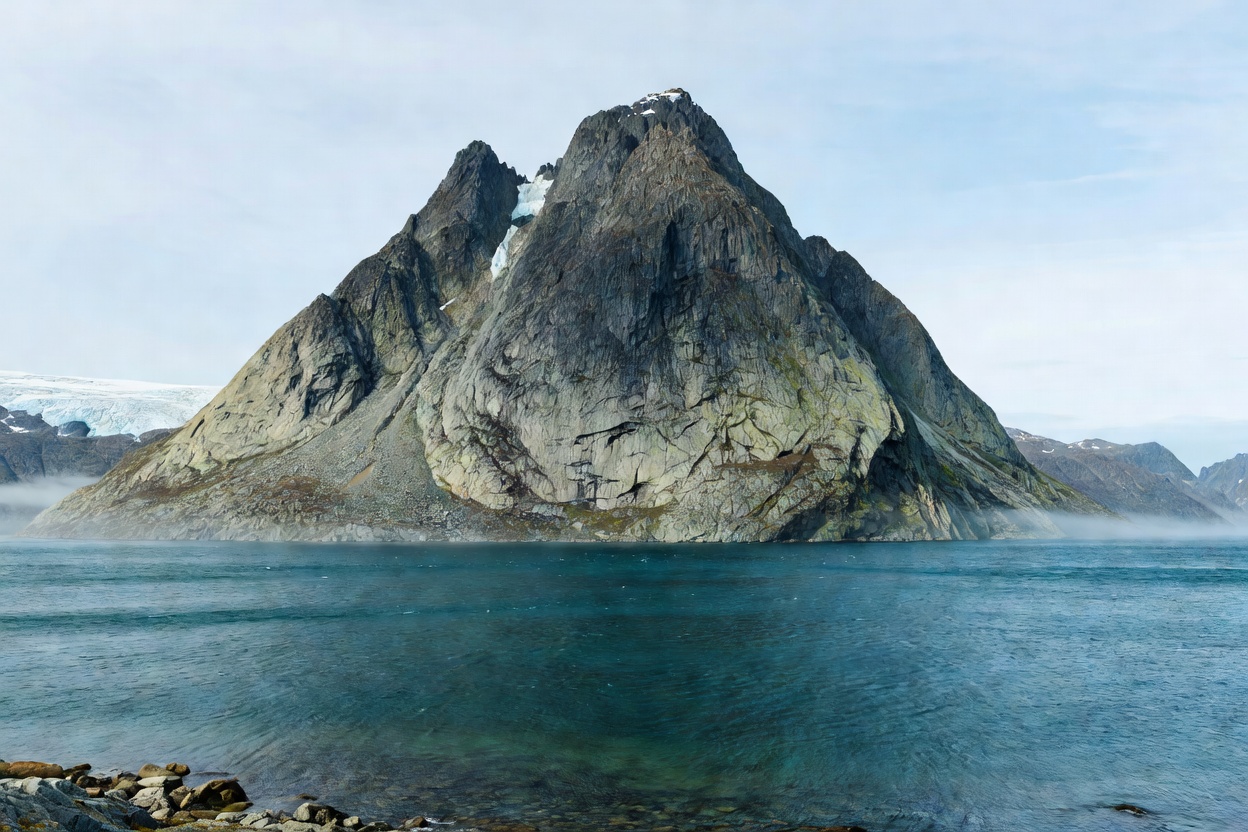
Rugged Nordic granite mountain peak overlooking deep arctic fjord waters
Core Reference

Directory & Field Guides

Select a primary section to inspect geographic rules, trail standards, seasonal requirements, and trip logistics.

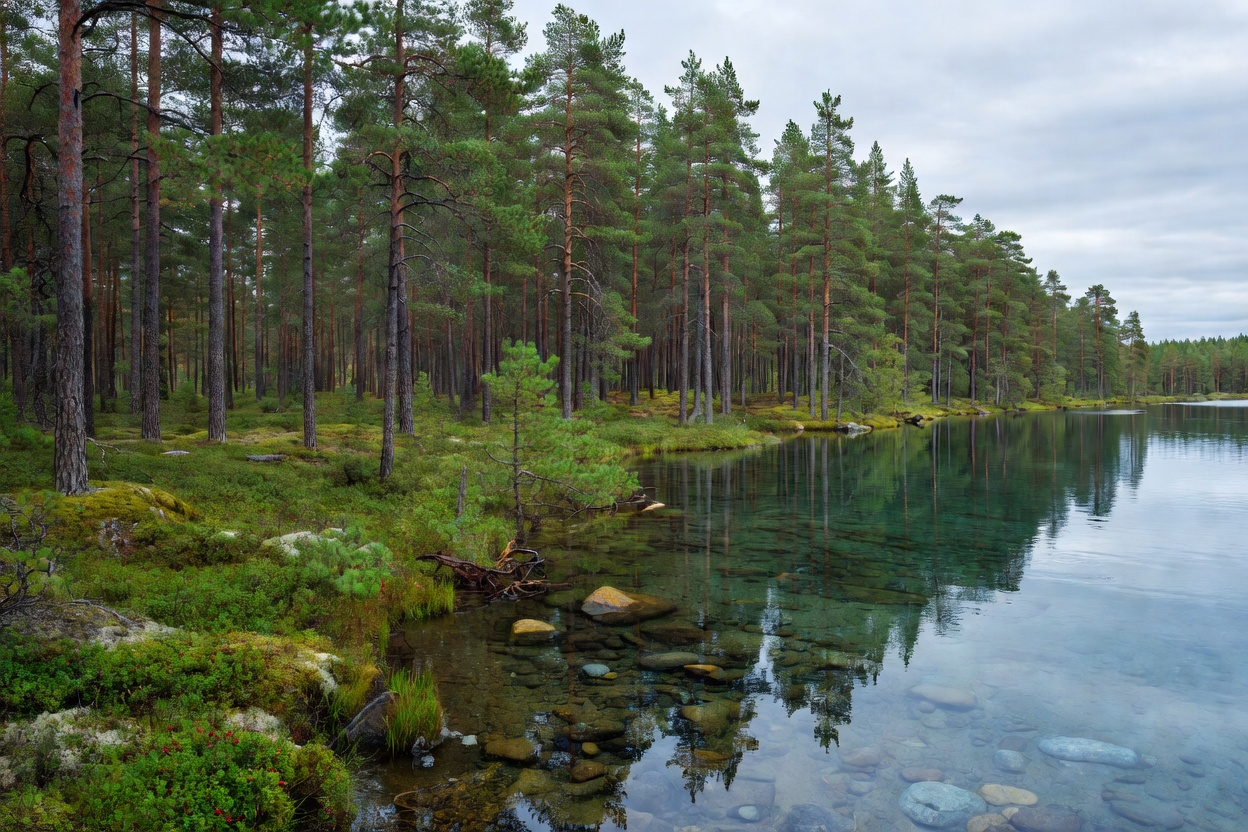
Dense Scandinavian boreal pine forest alongside clear glacial wetland
System Overview Nordic Network

Scandinavian National Parks

National parks preserve undisturbed ecosystems under statutory protection. Understand zoning levels, basic wilderness designations, and how legal access rights apply across protected areas.

  • Scope: Protection criteria & park classes
  • Access: Right to Roam differences
  • Focus: Habitat conservation & visitor zoning
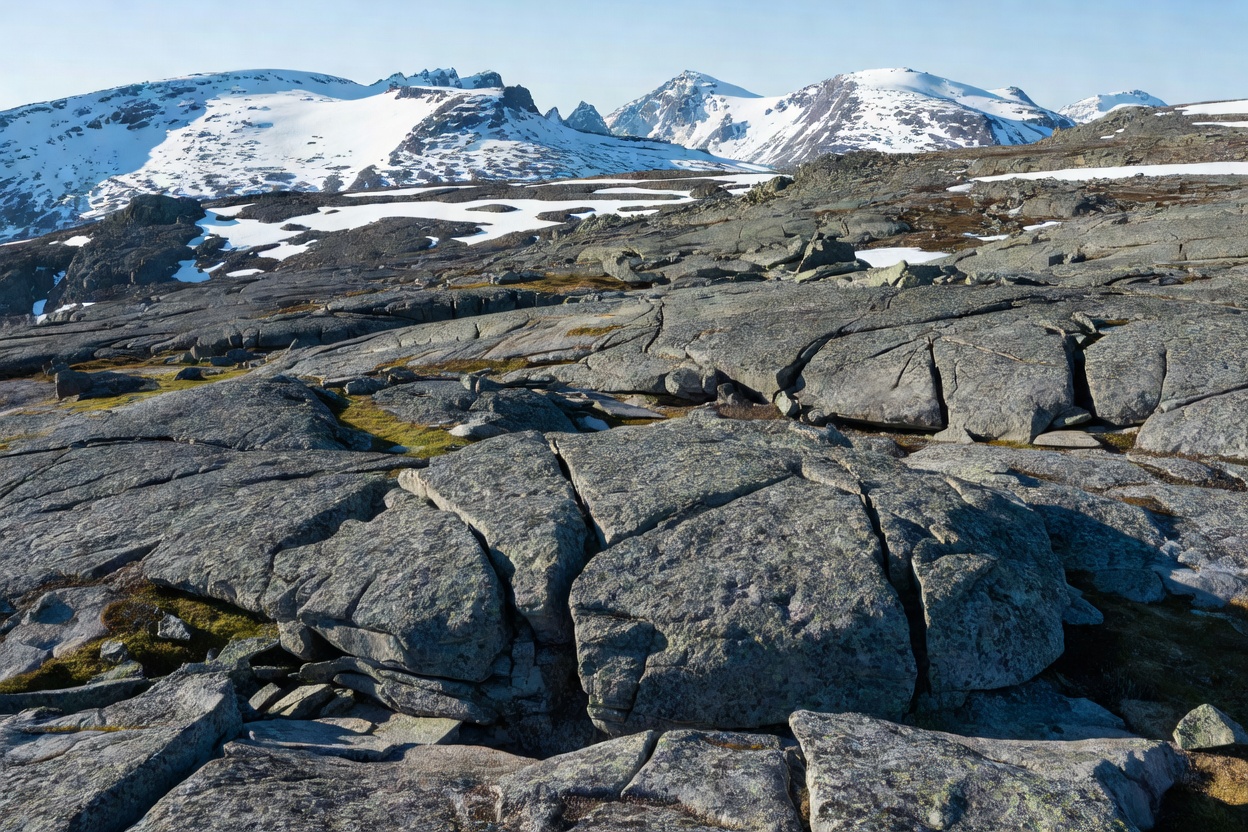
Exposed high-altitude granite plateau with distant snowfields in Scandinavia
Geography Norway · Sweden · Denmark

Nordic Park Regions

Compare stark structural variations across national park models. Norwegian alpine plateaus differ radically from Swedish northern wilderness basins and Danish coastal dune reserves.

  • Norway: Fjord cliffs, high alpine fells, permanent glaciers
  • Sweden: Expansive taiga, vast mountain plateaus, wetlands
  • Denmark: Dune heaths, shallow lagoons, lowland woodlands
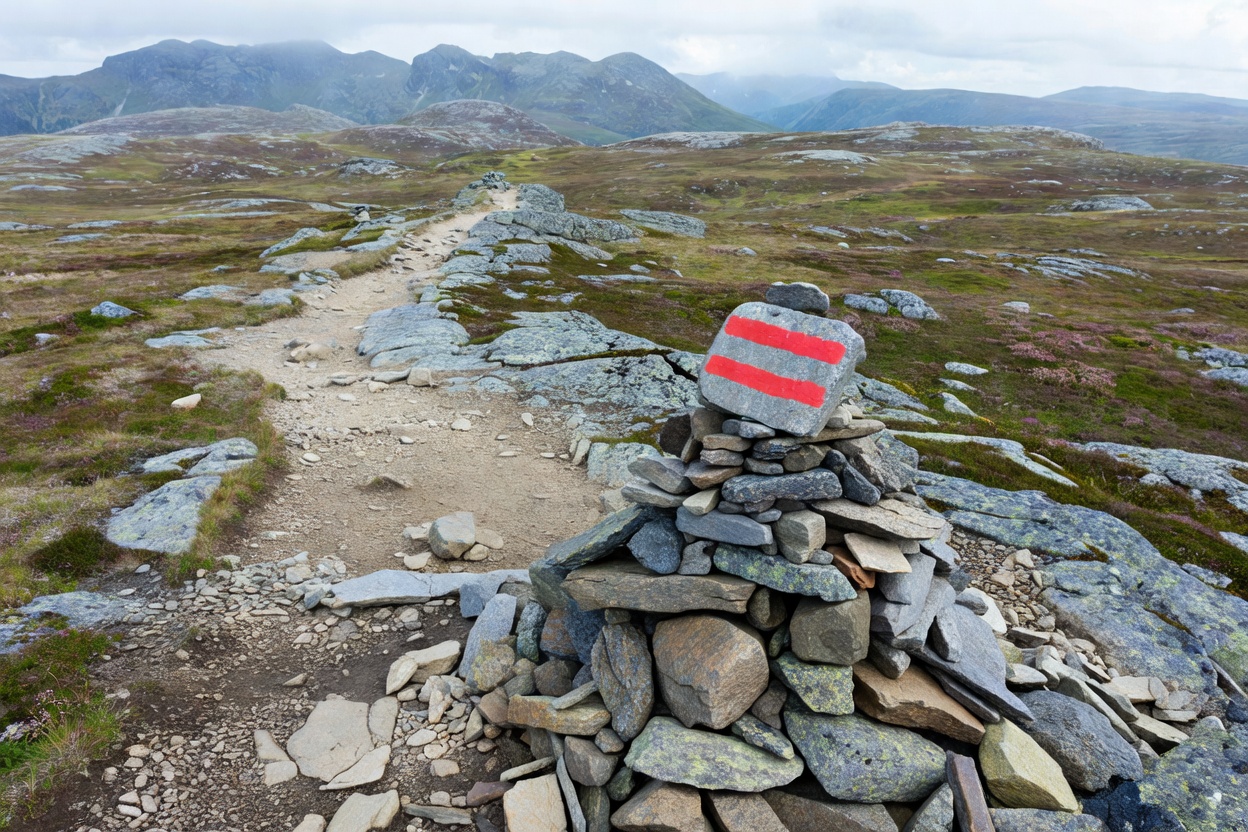
Painted trail cairn marking rocky footway across Scandinavian alpine ridge
Field Logistics Trail Network

Hiking & Trails

Navigate Scandinavian marking systems, from red-T waypoints to timber posts. Evaluate terrain difficulty, scree traverse rules, river wading techniques, and remote trail navigation.

  • Markings: Red paint, cairn chains, wooden waymarkers
  • Conditions: Bogs, scree fields, unbridged river crossings
  • Equipment: Membrane boots, compass, paper topographic charts
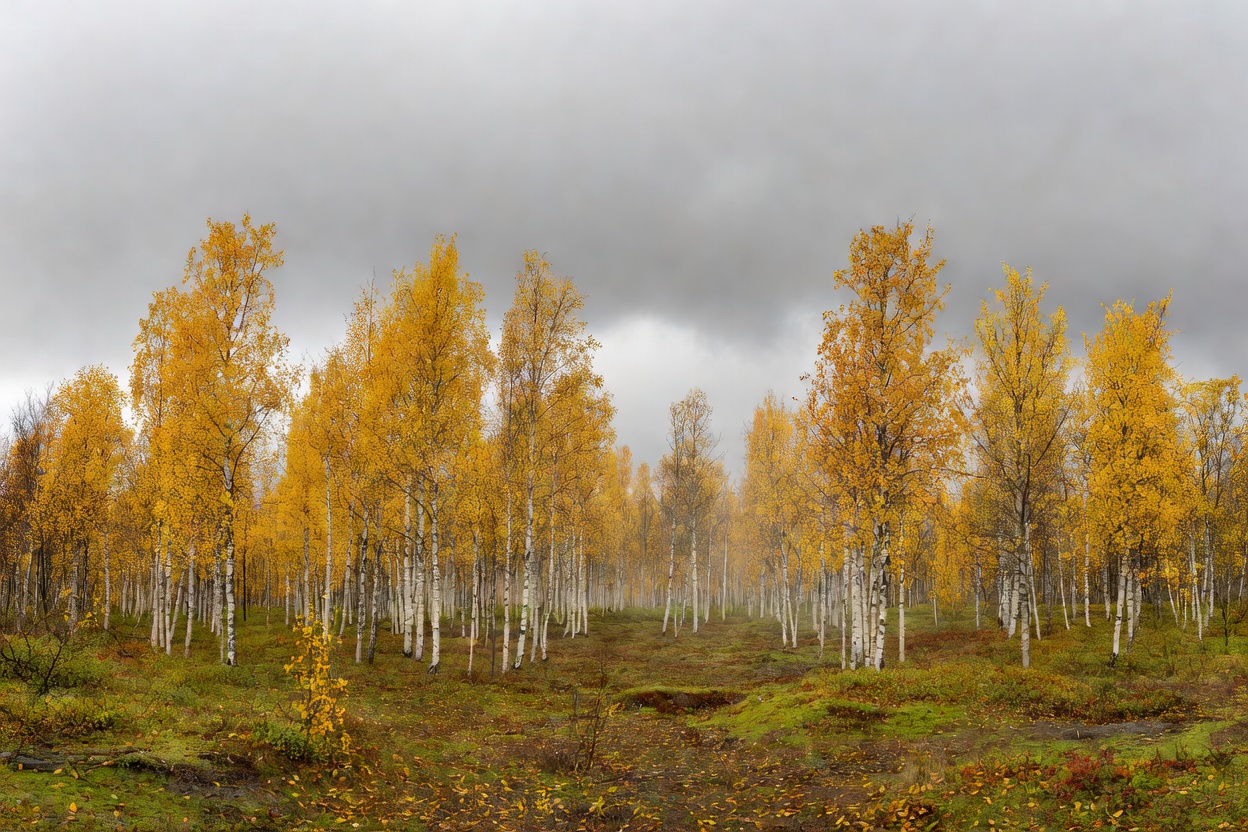
Golden autumnal birch trees under low Arctic cloud cover
Climate Patterns Arctic & Maritime

Park Seasons & Weather

Rapid barometric changes, midnight sun daylight shifts, and lingering snow bridges dictate park safety. Examine general weather cycles across four distinct Nordic sub-climates.

  • Summer: 24-hour daylight, biting insects, stream melt
  • Autumn: Early blizzards, temperature drops, stable air
  • Winter: Darkness, sub-zero cold, snowshoe or ski transit
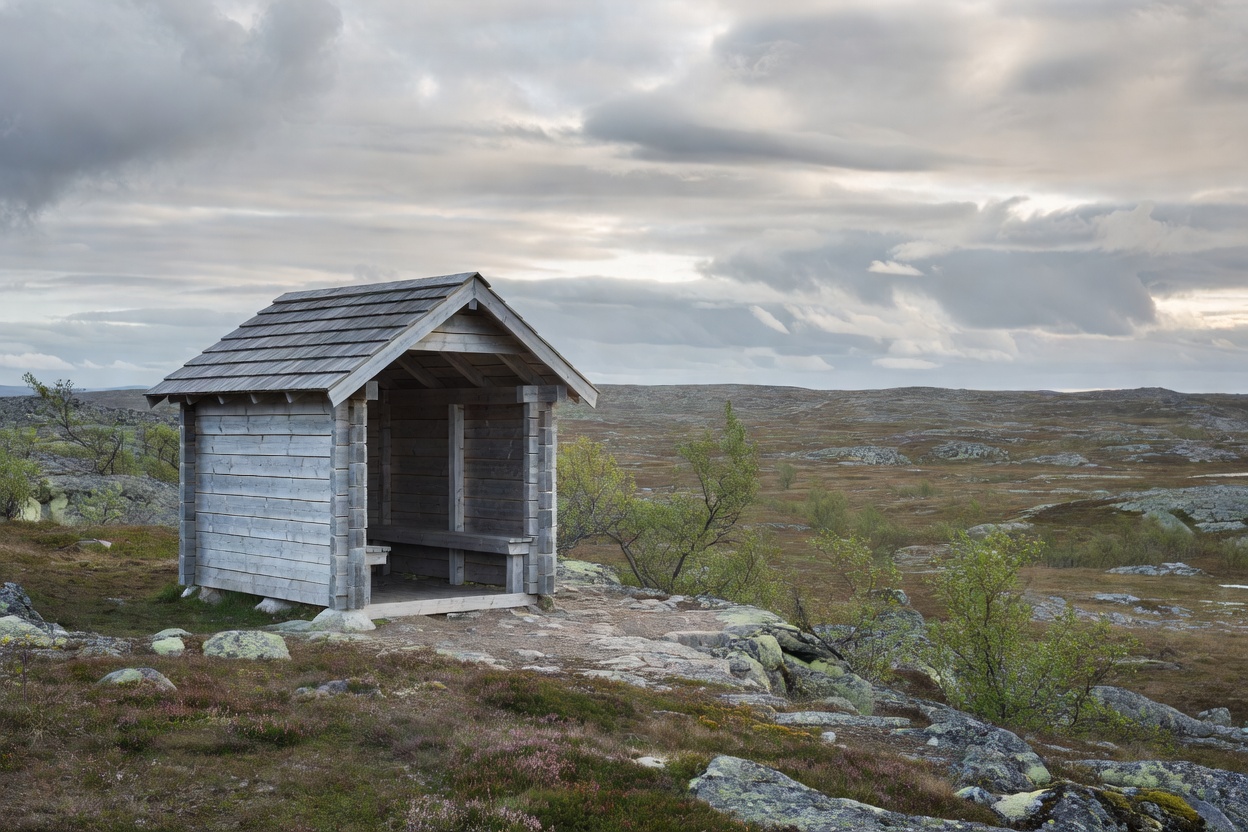
Simple Nordic timber trail shelter on edge of open Scandinavian fell
Methodology Planning Framework

Nordic Park Trip Planner

Systematic preparation reduces risk in isolated parks. Review transport connection points, basic hut categories, water filtration baselines, emergency communication, and Leave No Trace protocol.

  • Huts: Serviced lodges, self-service cabins, unstaffed emergency shelters
  • Logistics: Rail links, trail shuttles, satellite messengers
  • Safety: Evacuation protocols and low-impact rules
Execution Framework

PLAN THE PARK VISIT IN FIVE STEPS

Field safety requires logical sequence. Never buy gear or book transit before defining terrain and season.

01

PARK

Select landscape profile. Decide between high fell alpine, ancient spruce taiga, or windswept coastal dunes. Match physical baseline to terrain profile.

02

ACCESS

Confirm gateway rail lines, rural buses, or ferry routes. Remote trailheads often operate seasonal transport only. Check parking limitations at park borders.

03

SEASON

Assess daylight hours and ground state. Late June snowdrifts block alpine passes. September frost closes seasonal drinking water taps at unheated trailheads.

04

TRAIL

Determine daily kilometers and cumulative vertical rise. Map escape routes and emergency shelters. Do not calculate mountain pace using lowland walking speeds.

05

EQUIPMENT

Pack for wind exposure and freezing rain regardless of forecast. Bring membrane outer shell, thermal base layers, physical topographic maps, and satellite messenger.

Independent Field Information

brizoscoostream.living is an independent guide. We do not represent national park agencies, regional administrations, or commercial transport lines. Park rules, bridge status, trail conditions, and weather change rapidly. Always confirm immediate local notices with official ranger offices before backcountry departure.