Nordic Park Trip Planner: Systematic Wilderness Logistics
A successful national park expedition in Scandinavia relies on rigorous operational sequencing. Avoid spontaneous departures into isolated mountain or boreal reserves without confirmed transit connections, emergency communications, and food contingencies.
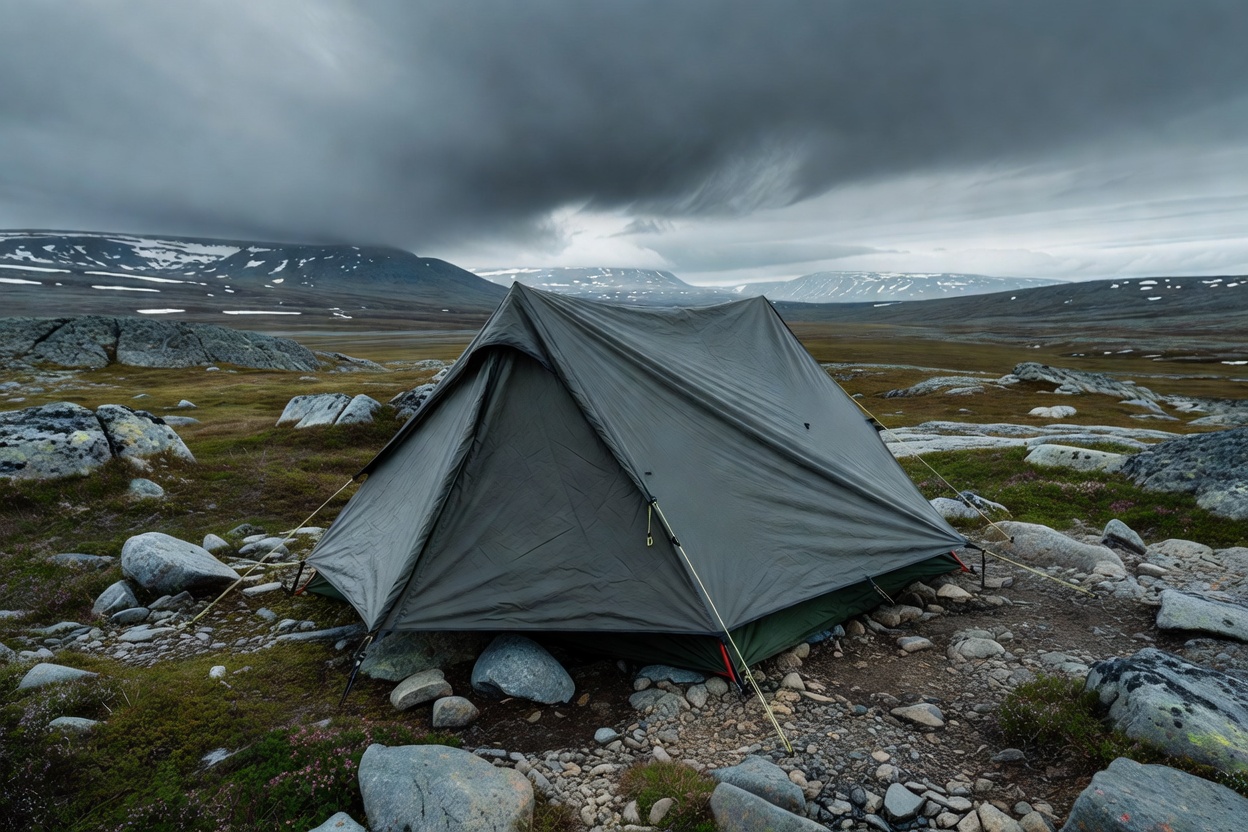
Building a Resilient Trip Plan
Every field itinerary must incorporate fail-safe redundancies: an alternative escape route off high ridges in gale conditions, surplus fuel and food for at least 48 unpredicted shelter-bound hours, and non-electronic navigation capabilities.
Work through the sequential checklist below before booking tickets or finalizing departure dates.
Step 1: Selecting Landscape Profile & Route Duration
Determine the primary objective and duration of the trip based on team endurance and mountain experience:
- Short Weekend Hikes (1–3 Days): Stick to well-connected lowland parks or well-marked subalpine circuits with direct rail or road access. Ideal for testing gear before major expeditions.
- Intermediate Hut-to-Hut Traverses (4–7 Days): Follow established trail systems (such as Norway's Rondane circuits or Sweden's Kungsleden between Abisko and Nikkaluokta). Allows shelter without carrying a tent, though emergency bivouac gear remains mandatory.
- Autonomous Wilderness Expeditions (8–14 Days): Complete off-grid traversing in roadless environments like Sarek or northern Femundsmarka. Demands 20–25 kg pack weights, full tent independence, water filtration, and satellite SOS beacons.
Step 2: Transport & Gateway Logistics
Reaching northern park trailheads requires multiple transit legs. Scandinavian public transport is efficient but runs on strict seasonal timetables:
Trunk Rail Networks
Overnight sleeper trains connect capital cities (Oslo, Stockholm, Copenhagen) to regional mountain gateways (such as Gällivare, Kiruna, Otta, or Åndalsnes). Book sleeper berths well in advance during peak July/August periods.
Regional Wilderness Buses
County bus lines connect train stations to remote park trailheads. Many lines operate only one or two runs daily, timed to meet arriving trains. Always confirm the exact return bus schedule before stepping onto the trail.
Lake Ferries & Water Taxis
Key park access routes (such as Gjende lake in Jotunheimen or Lake Akkajaure near Padjelanta) require boat transit. Weather cancellations occur during violent windstorms; build buffer days into your schedule.
Step 3: Budget & Accommodation Categories
We do not fabricate current lodging tariffs, as prices fluctuate by seasonal membership and demand. Budget planning should consider these structural categories:
- Low-Budget / Autonomous Tent Camping: Free or nominal fee under customary access rules. Requires investing in high-grade four-season tents, ground insulation mats (R-value > 3.5), and portable camp stoves.
- Medium-Budget / Self-Service Cabins: Cabins maintained by national trekking associations. Guests cook their own food from pantry supplies, carry out their trash, and chop firewood for the next visitor. Paid via automated credit card slips or mobile deposit.
- Higher-Budget / Staffed Mountain Stations: Full-service backcountry lodges offering prepared dinners, drying rooms, showers, and saunas. Requires advance room reservation during peak mid-summer weeks.
Essential Planning Checklist
- Confirmed trailhead bus and ferry operational dates.
- Waterproof paper map and magnetic compass packed.
- Emergency satellite messenger active and paired.
- Daily route stages kept under 18 km in rocky alpine terrain.
- Leave No Trace waste seal bags prepared.
Common Operational Errors
- Planning zero rest or storm contingency buffer days.
- Relying on campfires for warmth in treeless alpine zones.
- Underestimating caloric burn in cold, wet mountain weather (plan 3,500–4,500 kcal/day).
- Assuming mobile phone coverage exists in mountain valleys.
Step 4: Emergency Protocols & Environmental Protection
Before stepping onto the trail, leave a detailed route plan with a responsible contact or your accommodation desk. State clearly: route points, planned overnight locations, and the exact hour after which search and rescue should be notified.
Practice strict Leave No Trace wilderness ethics: pack out all waste, including hygiene wipes and food remnants; use existing pit toilets where available; never wash cookware directly in open lakes or streams; and keep a minimum 150-meter distance from wild reindeer herds.
Have Trip Planning Inquiries?
Submit questions about route sequencing, gear readiness, or transport coordination to our field editorial team.